3 hr
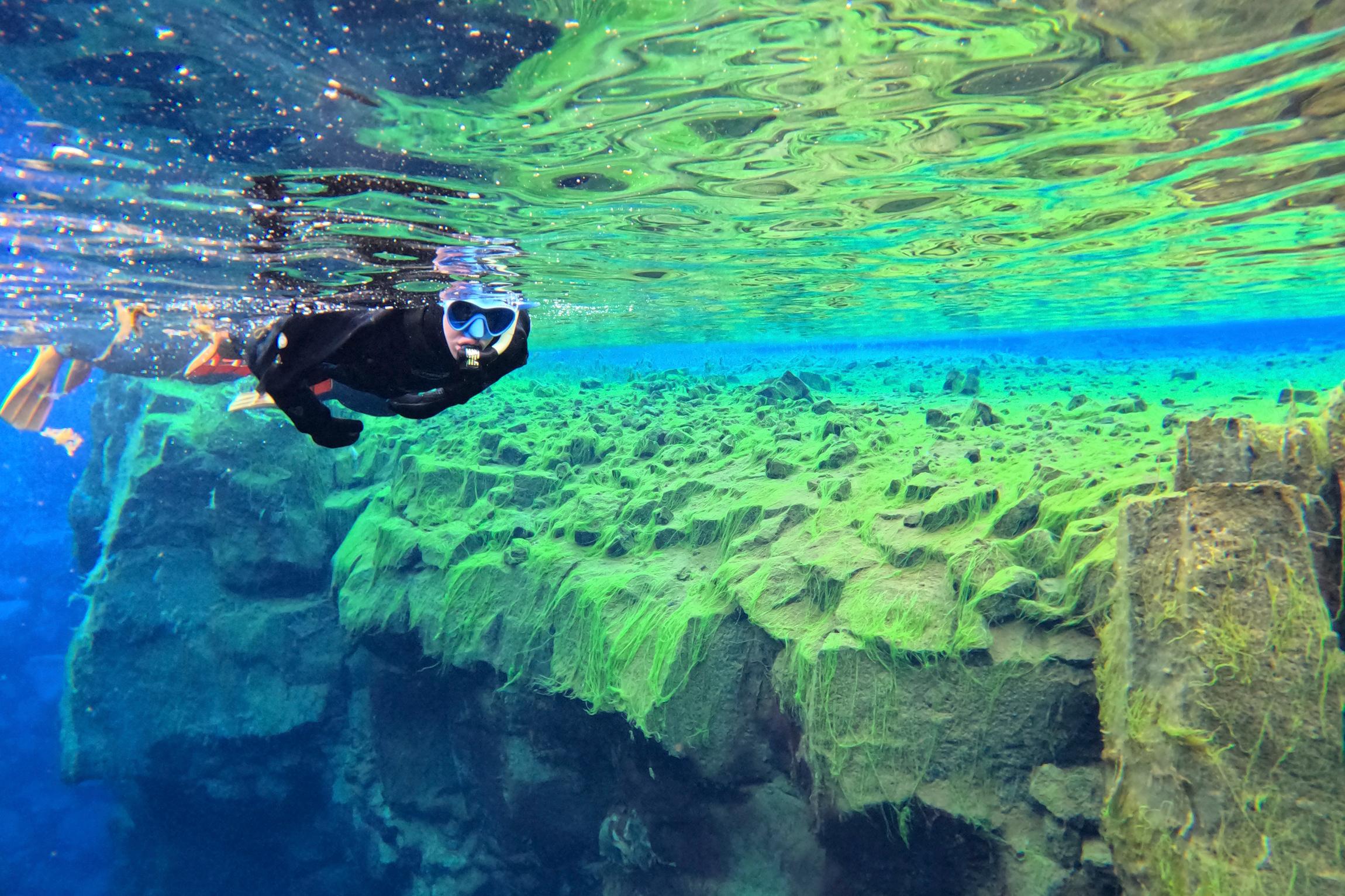
Silfra Fissure Snorkeling with Dry Suit & Souvenir Photos
Float between two continents in glacier-fed crystal water at Iceland's Þingvellir UNESCO site.
Reserve
Hand-picked by our editors — only the best 5 experiences from 60 reviewed.
Verified partners for every tour, free cancellation where available, and instant confirmation on every booking.
3 hr
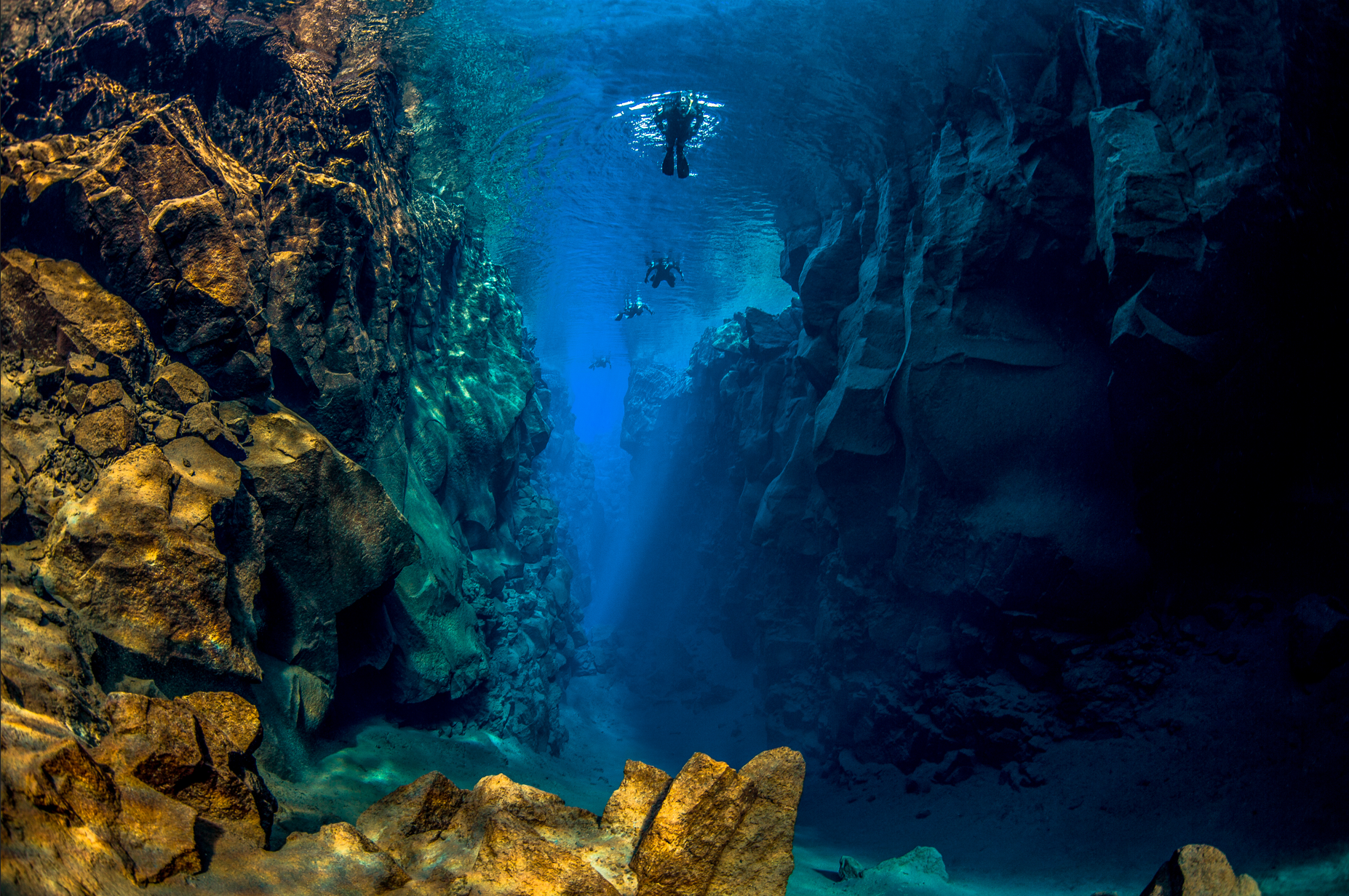
Float between two continents in glacier-fed crystal water at Iceland's Þingvellir UNESCO site.
Reserve
5 hr 30 min
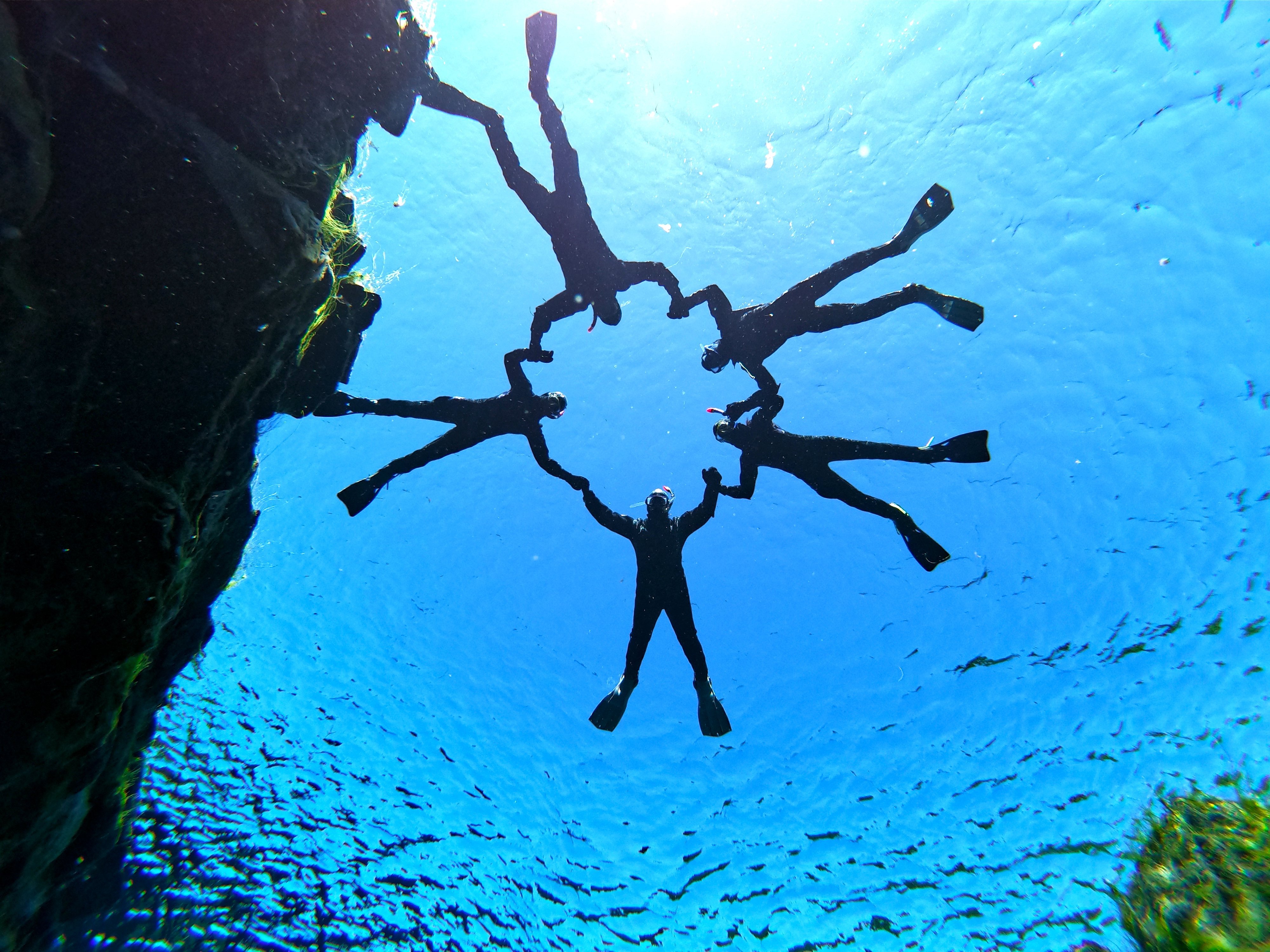
Float between the American and European tectonic plates in Thingvellir's legendary crystal-clear glacier waters.
Reserve
3 hr
Drift between two tectonic plates in Thingvellir's legendary fissure — visibility stretches 100 m through water pure enough to drink.
ReservePrices from verified partners. Availability updates in real time at checkout. Free cancellation policies apply where shown.
The landmarks, rooms, and views travelers on this tour remember — all visible on a single visit.
Five platforms of low coral reefs surrounding the island host high marine biodiversity.
Mysterious pre-Columbian hand-carved granite spheres suggest the island was an ancient burial ground.
A convergence zone of currents provides nutrients for large pelagic species like manta rays.
The main point for park registration and short breaks during snorkeling boat tours.
White sandy shores provide a scenic resting point between snorkeling sessions.
They complement each other; most visitors who do both call Corcovado the more immersive terrestrial challenge while the cano island snorkeling tour from uvita provides superior aquatic encounters. Choosing between these excursions involves weighing whether you prioritize deep-sea biodiversity or dense rainforest ecosystems.
| Feature | Top pick Caño Island Snorkeling | Corcovado Boat Tour |
|---|---|---|
Primary Activity |
Snorkeling and diving | Jungle hiking and wildlife spotting |
Marine vs Terrestrial Focus |
Marine protected area | Terrestrial tropical rainforest |
Wildlife Sightings |
Sea turtles, reef fish, rays | Tapirs, monkeys, scarlet macaws |
Physical Exertion Level |
Low to moderate | Moderate to high |
Best for |
Water enthusiasts and divers | Nature photographers and hikers |
| See tickets → |
Verdict: Securing cano island snorkeling tour from uvita tickets is ideal for those seeking pristine coral reefs, whereas Corcovado remains the preferred choice for guests aiming to observe rare land mammals in their natural habitat.
Choose your ticket, select your date, and reserve in under two minutes. Secure checkout handled by our verified partner.
Instant confirmation by email, with a mobile voucher you can save offline. No printing, no queuing at a collection desk.
Arrive at the entrance, show your voucher on your phone, and walk in. Most tickets include priority or skip-the-line access.
Practical details for your visit straight from our verified partners — hours, access, rules, and how to get there.
Wear swimwear under comfortable, quick-dry clothing. Bring a change of clothes and sandals suitable for boat boarding.
Use a dry bag to protect electronic items and personal belongings from water during the boat transit. Keep all essential items stored securely on the boat.
Photography is encouraged, but avoid using drones as they are prohibited in the reserve. Ensure your camera is stored in a waterproof bag when not in use.
The reserve is located on an island with limited infrastructure. Access involves boat boarding and swimming in open ocean conditions.
The boat trip and snorkeling activities are suitable for children, provided they are comfortable in the water. Check with local operators regarding minimum age requirements.
Consumption of alcohol is prohibited. Most tours include a light lunch, but ensure you carry out all trash to keep the island pristine.
Best time to go, insider tips, nearby landmarks, and the cancellation fine print — flip through to skim what matters to you.
Flexible, no hidden fees.
As this is a protected biological reserve, tours typically require booking in advance. Check with your specific operator for their cancellation window, as many follow strict non-refundable policies for last-minute changes.
Caño Island is smaller than the sea that protects it. The land covers roughly 300 hectares. The marine reserve drawn around it guards more than 2,700. Costa Rica declared the whole of it a biological reserve in 1978, and no one has lived there permanently since. The island — known locally as Isla del Caño — sits some 20 kilometres off the Osa Peninsula, a low green hump rising from deep blue water. Boats running a cano island snorkeling tour from uvita cross open Pacific to reach it, following the corridor humpback whales use twice a year. Beneath the surface the geology changes character. Volcanic rock gives way to coral gardens at Bajo del Diablo and the shallower reef at Paraíso, where visibility can reach thirty metres on a settled morning. The Servicio Nacional de Áreas de Conservación caps daily numbers and restricts landings, so the reserve is experienced almost entirely from the water. The 15 USD conservation fee, charged per person, pays for that ranger presence. Archaeologists know the island for something else entirely. Its interior holds granodiorite spheres carved by the Diquís people and carried across open sea more than a thousand years ago. This is why cano island snorkeling tour from uvita tours are sometimes described as approaching a cemetery island rather than a beach. Nobody has explained the transport convincingly. What makes the reserve matter now is ecological. It is one of the few places on the Pacific coast of Central America where reef fish density has held steady across decades. White-tip reef sharks rest in sand channels. Green and hawksbill turtles graze the shallows. Spotted eagle rays pass through, and schools of jack and snapper form walls thick enough to dim the light. The water stays warm year-round, roughly 26 to 29 degrees. Nutrient-rich outflows from the Sierpe and Térraba river mouths make the surrounding sea productive and, at times, cloudy — the reserve runs bright and murky by turns, according to rainfall inland. Reading about cano island snorkeling tour from uvita tickets means reading about a managed ecosystem rather than a monument. The reserve keeps hours of 08:00–16:00, seven days a week, and its address — Caño Island Biological Reserve, Osa Peninsula, Puntarenas, Costa Rica — describes a boundary drawn on water rather than a gate. Among Osa Peninsula snorkeling excursions it remains the outlier: a protected place whose subject matter is invisible from the deck.
"The reserve is one of the few protected places in Costa Rica whose subject matter is invisible from the deck."
A step-by-step walkthrough of the visit — what you'll see, how long each stage takes, and the details that matter.
You start at Playa Uvita, where the sand road ends and a tractor drags the panga down to the waterline. A guide checks names, sizes you for fins, and hands over a mask. You wade in shin-deep and swing a leg over the tube. The crossing carries you past the Whale's Tail sandbar at Marino Ballena, then out to where the coastline flattens into haze. You hold the rope. Between June and October the captain may cut the engine for a humpback and her calf; you watch, and then the bow lifts again. Land appears as a low green mound. The boat stops over a reef rather than at a beach — this is where cano island snorkeling tour from uvita tour operators moor. You rinse your mask, roll off the side, and drop into 27-degree water. Below: parrotfish grinding coral, a white-tip reef shark asleep in a sand channel, needlefish stitching the surface above your head. You breathe, dive, surface, breathe again. A second entry follows at a shallower anchorage, calmer, closer to the rock. Come inside the 08:00–11:00 window and you get the better of it — visibility and calmer sea conditions are often found in the morning. Afterwards you drip-dry on the deck, eating fruit while the guide points toward the ridgeline where the stone spheres sit, unreachable. Then the bow swings north and Uvita returns as a thin green line.
The entrance fee is 15 USD (conservation fee, per person).
Caño Island Biological Reserve is open daily from 08:00–16:00.
Yes, these tours are family-friendly, though please confirm minimum age policies with your chosen tour operator.
Bring a swimsuit, towel, reef-safe sunscreen, a reusable water bottle, and a dry bag for electronics.
The best arrival window is 08:00–11:00 for optimal visibility, so booking in advance is recommended.
Life jackets are provided, but participants should be comfortable in the water; discuss your experience level with your guide.
Only use reef-safe sunscreen to protect the coral ecosystems in the Caño Island Biological Reserve.
The boat trip typically takes about 75 minutes from Uvita depending on sea conditions.
You can often encounter white-tip reef sharks, sea turtles, rays, and schools of colorful tropical fish.