2 hr 30 min
Manuel Antonio National Park: Wildlife Guided Tour with Entrance Fee
Explore Costa Rica's iconic national park with a naturalist guide, optics included, ending at a stunning beach.
Reserve
Hand-picked by our editors — only the best 5 experiences from 132 reviewed.
Verified partners for every tour, free cancellation where available, and instant confirmation on every booking.
2 hr 30 min
Explore Costa Rica's iconic national park with a naturalist guide, optics included, ending at a stunning beach.
Reserve
2 hr 30 min
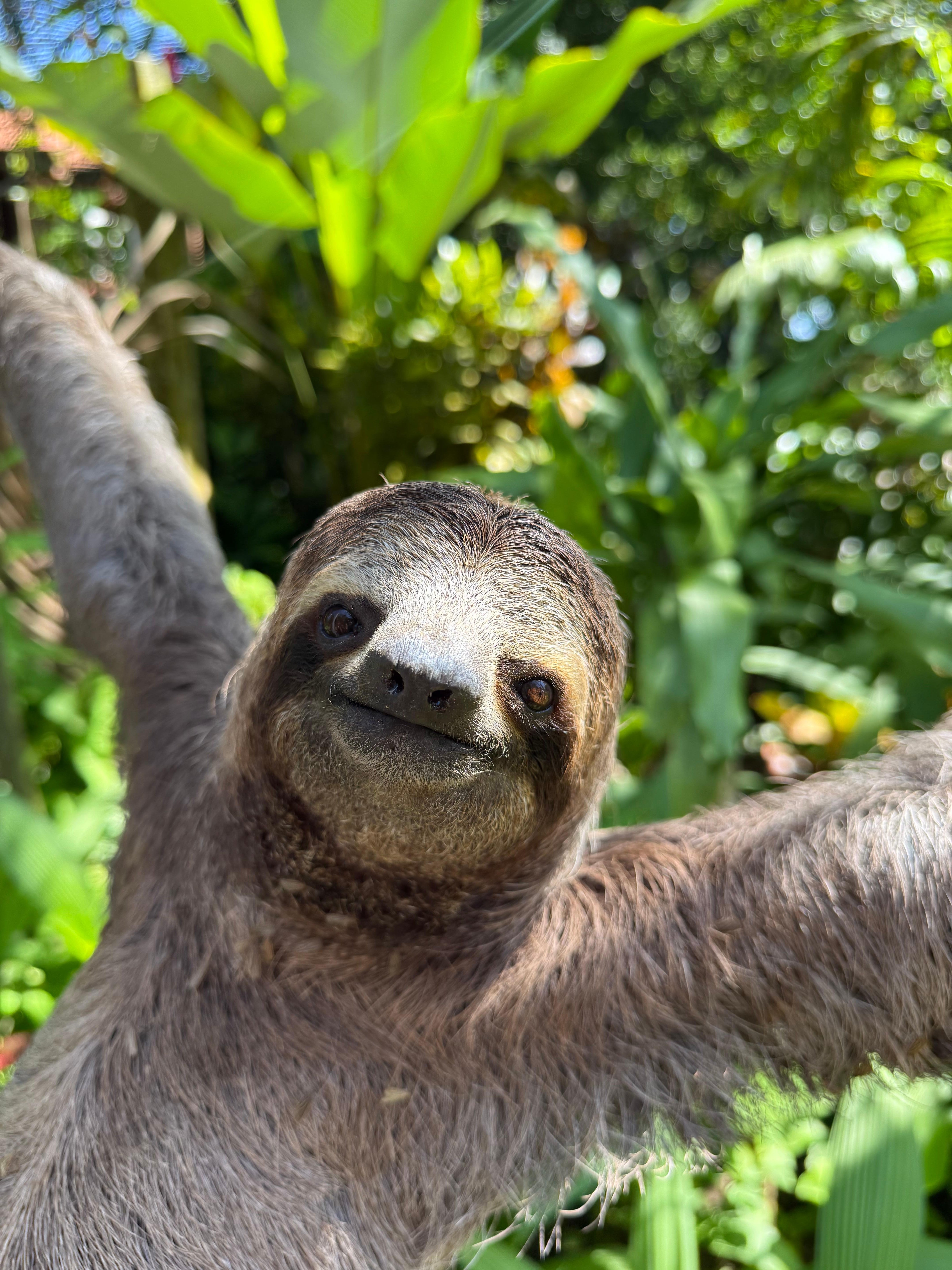
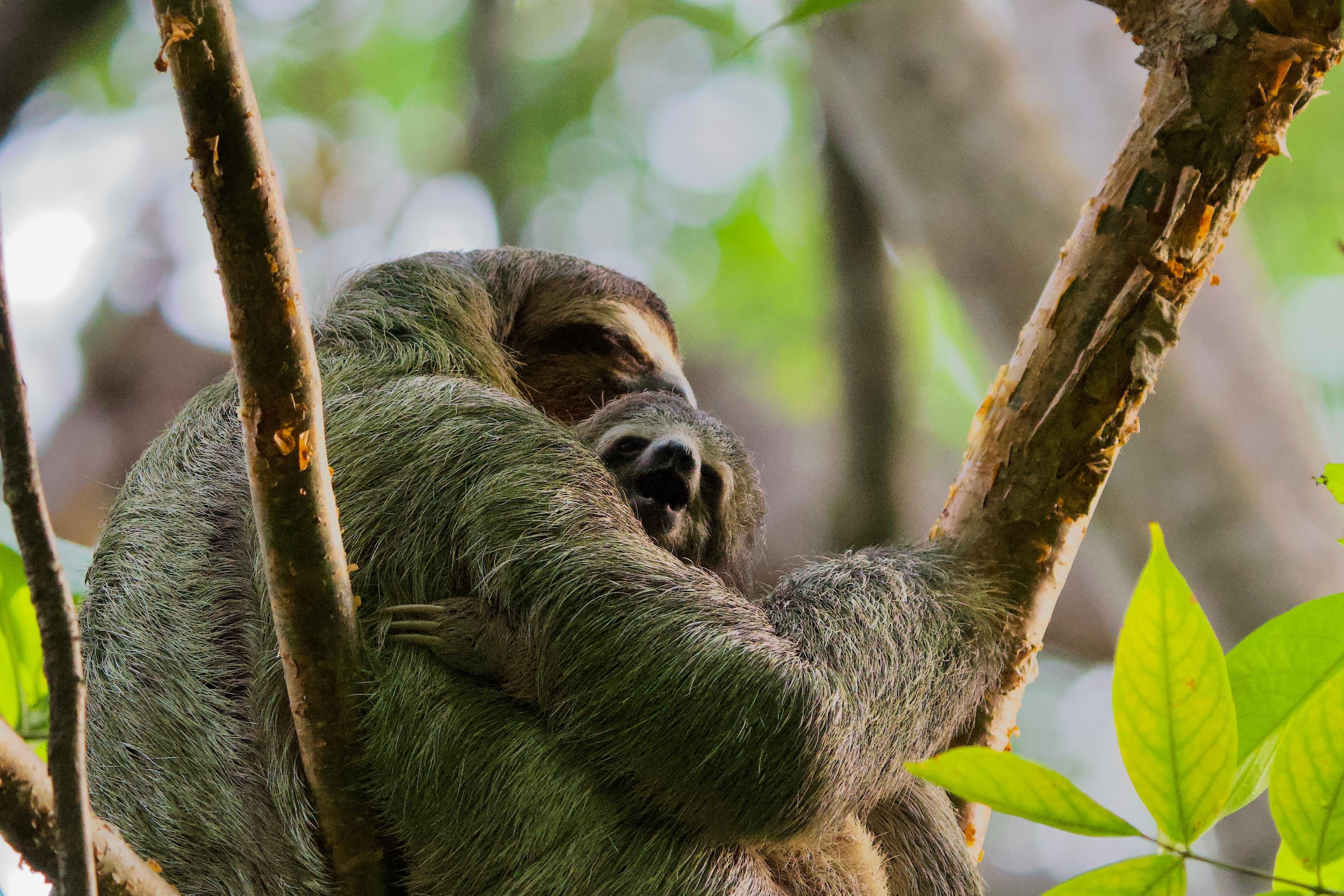
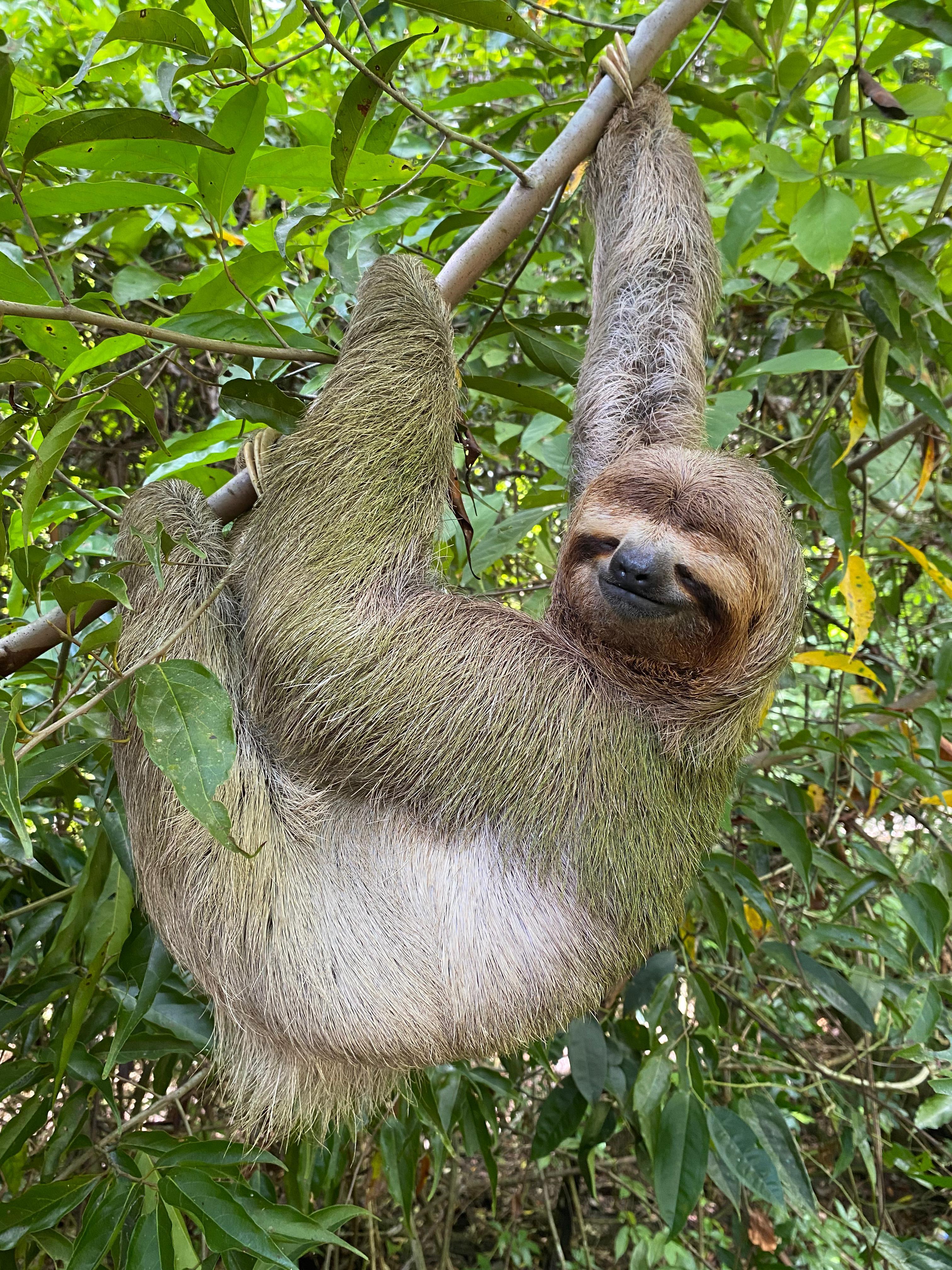
Trek Costa Rica's iconic rainforest with a certified naturalist, spotting sloths, monkeys, and exotic birds over 2 hours.
Reserve
2 hr 30 min
Expert-led trail walk through Costa Rica's iconic national park, beach time included.
ReservePrices from verified partners. Availability updates in real time at checkout. Free cancellation policies apply where shown.
The landmarks, rooms, and views travelers on this tour remember — all visible on a single visit.
Home to the largest concentration of coral-building organisms in Pacific Costa Rica. Many species, including brain and head coral, thrive here.
Mysterious, hand-carved stone spheres found on the island, likely used as indigenous burial markers.
The reserve is a critical stop for migrating humpback whales from July to October.
The only area on the island where visitors are permitted to step ashore for breaks.
Home to white-tip reef sharks, rays, and sea turtles, with visibility often exceeding 20 meters.
They complement each other; serious enthusiasts prefer the remote, high-visibility marine sanctuary of the Caño Island snorkeling tour from Manuel Antonio, while those seeking a low-effort outing favor the sheltered local bay.
| Feature | Top pick Caño Island Tour | Biesanz Beach |
|---|---|---|
Travel Time |
3–4 hours by boat | 10 minutes by car |
Marine Life Diversity |
High; sharks and rays | Low; small reef fish |
Snorkeling Depth |
15–40 feet (5–12 m) | 3–15 feet (1–5 m) |
Cost |
15 USD conservation fee plus tour | Free access to beach |
Accessibility |
Requires boat transport | Easy walk via trail |
| See tickets → |
Verdict: The caño island snorkeling tour from manuel antonio tickets provide a superior underwater experience for those willing to commit to a full-day excursion.
Choose your ticket, select your date, and reserve in under two minutes. Secure checkout handled by our verified partner.
Instant confirmation by email, with a mobile voucher you can save offline. No printing, no queuing at a collection desk.
Arrive at the entrance, show your voucher on your phone, and walk in. Most tickets include priority or skip-the-line access.
Practical details for your visit straight from our verified partners — hours, access, rules, and how to get there.
Manuel Antonio area
Pickup times vary by operator
Drive from Manuel Antonio to Sierpe or Uvita docks to meet your boat operator.
Wear swimwear under comfortable, quick-dry clothing. Bring a rash guard for sun protection and light, breathable layers for the boat ride.
Use waterproof dry bags to protect electronics and personal items. Space on local transfer boats is limited, so pack lightly.
Underwater cameras or GoPros are recommended for snorkeling. Always ensure your camera is secured in a waterproof housing.
Access to the island requires boarding a boat from the mainland. Shore entry involves navigating sand and shallow surf, which may be challenging for those with limited mobility.
Cellular service is extremely limited on the island. Download offline maps or itinerary details before departing from the coast.
The cano island snorkeling tour from manuel antonio is suitable for most ages. Children must be accompanied by an adult at all times, especially when in the water.
Most tour operators provide lunch and refreshments. Consuming food on the island itself is restricted; please dispose of all trash responsibly.
Pets are strictly prohibited on the island and on most transfer boats. This is a protected biological reserve.
Snorkeling is the primary activity for a cano island snorkeling tour from manuel antonio. Please maintain a safe distance from all marine wildlife and never touch the coral.
Best time to go, insider tips, nearby landmarks, and the cancellation fine print — flip through to skim what matters to you.
How crowds, weather, and events shift across the year.
March and April offer excellent visibility and calm seas for boat travel.
Small details that turn a good visit into a great one.
Take motion sickness medication 30 minutes before boarding your boat.
Non-bookable sights within a short walk — free to visit, easy to pair.
Famous for the whale tail sandbar and diverse coastal marine life.
Flexible, no hidden fees.
Full refunds are typically provided for cancellations made at least 24 hours in advance. Please note that the 15 USD conservation fee is a mandatory entry requirement regulated by SINAC.
Hand-picked options within walking distance — pick a district for vibe, or a specific hotel for convenience.
Boutique eco-lodges near the park entrance.
Caño Island was a burial ground long before it became a biological reserve. Pre-Columbian peoples of the Diquís region ferried their dead across roughly twenty kilometres of open Pacific to inter them on this forested plateau, leaving behind granodiorite spheres whose purpose archaeologists still debate. The mainland they launched from is the same coast that Cano Island Snorkeling Tour From Manuel Antonio tours depart from today. Little else about the crossing has changed: the same swell, the same volcanic rock rising abruptly from deep water, the same silence once the engines cut. Costa Rica declared the island and its surrounding waters protected in 1978. The land portion covers roughly three hundred hectares; the marine zone around it is many times larger, and it is the water, not the shore, that draws visitors. SINAC, the national conservation service, has since closed the interior trails to general visitors, largely to shield the archaeological sites from looting. What remains open is the reserve's marine perimeter and a single landing beach, accessible daily from 08:00 to 16:00 under a 15 USD conservation fee per person. Geology explains the clarity. The Sierpe and Térraba rivers push silt along the Osa Peninsula's mainland shore, clouding the shallows near Drake Bay; Caño Island sits far enough offshore to escape most of that runoff. Five coral platforms fringe its eastern and southern shelf, built by hardy Porites and Pocillopora colonies that tolerate warm, shifting Pacific conditions. Around sixty reef fish species patrol them. White-tip reef sharks rest in sand channels between coral heads, spotted eagle rays cross in loose formation, and hawksbill and green turtles surface for air before dropping back toward the gorgonians. Isla del Caño snorkeling trips exist because of this shelf, not because of the island itself. Its position matters as much as its reef. The reserve has drawn marine researchers monitoring coral recovery across the eastern Pacific, and the ranger station logs species that rarely appear along the mainland coast. Travellers weighing Osa Peninsula reef excursions against Corcovado's forest circuits are, in practice, choosing between two halves of one protected system: canopy on the peninsula, coral offshore. Cano Island Snorkeling Tour From Manuel Antonio tickets buy passage to the marine half — a plateau of about 110 metres, a rock standing alone in open water, and a reef that survives in large part because so few people are permitted to stand on it.
"The island matters now for what it withholds."
A step-by-step walkthrough of the visit — what you'll see, how long each stage takes, and the details that matter.
You leave the hills above Manuel Antonio before the roads warm. Down at the water, Cano Island Snorkeling Tour From Manuel Antonio tour boats sit low against the dock, engines idling, crates of masks and fins stacked at the stern. A crew member checks your name, hands you a fin size, and asks you to sit forward for the crossing. Then the coast goes. Mangrove mouths and green headland give way to open Pacific, and you watch the mainland compress into a grey line behind the wake. Somewhere out past the last fishing boats the island appears: a flat-topped rock, dark with forest, ringed by water that turns from ink to glass as you close in. The captain slows. The reserve's arrival window, 08:00 to 11:00, exists for exactly this — flat sea, low glare, visibility that holds. You spit in the mask, rinse it, and go over the side. Sound drops away. Beneath you the reef opens in terraces: coral heads the size of cars, a school of blue-and-gold snapper folding around them, a white-tip reef shark motionless in a sand channel three metres down. You surface, breathe, dive again. Later, on the landing beach where the 15 USD conservation fee is logged at the ranger's table, you rinse salt from your face and count what you saw on your fingers.
The reserve is open daily from 08:00–16:00.
Yes, there is a 15 USD conservation fee per person.
For optimal visibility and calm sea conditions, the best arrival window is 08:00–11:00.
Yes, fishing gear, single-use plastics, and non-biodegradable sunscreen are prohibited.
Yes, a cano island snorkeling tour from manuel antonio is family-friendly, but children must stay with adults.
Most tours include high-quality gear, but you are welcome to bring your own mask if preferred.
Operators may reschedule or cancel trips for safety; check with your provider regarding their specific policy.
The journey typically takes about 2 hours by land plus boat time for a cano island snorkeling tour from manuel antonio.
Yes, a ranger station with basic restroom facilities is available on the island.